Sounds crazy, right? The truth is, many organic growers talk about growing dirt rather than growing plants. The next few days of posts are going to talk about growing dirt because it's something that I'm thinking about as summer winds down. More to come on that.
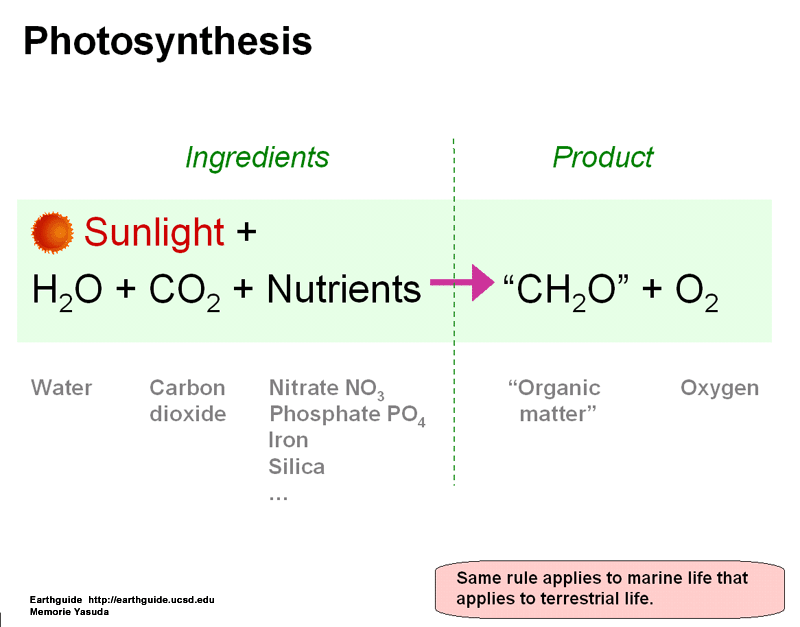
To begin with, it is important to know that plants get all of their nutients from three places - water, air, and soil. The sun is used to help convert these nutrients into 'food' for the plant (see here, here, and here and read more here) If that's the case, we have to help our plants out wherever we can. We can't really do anything with the sun (it's a little far away and it's been doing a pretty good job of making light and heat for quite a while)! If we use rainwater to water our plants, the only thing that we have to be concerned about is acid rain - a pretty big problem for you or me to tackle (but feel free to try - I'll support you)! All that's left is dirt. We humans actually have a lot of control over this little understood yet oh so important ingredient of life.
Jules Dervaes sums it up well when he says "all of human existence depends on the top six inches of soil."
While modern agriculture uses dirt more as a foundation for plants to prop themselves up on while harsh chemicals provide all of the 'nutrients,' organic growers actually nurture their dirt so that it can produce healthy plants and food.
Take a look at Punkle's Farm, Pete's Greens, and Dirt! The Movie to see how essential dirt is to growing plants & to human survival and what these people are doing about it.
Wednesday, August 11, 2010


Tuesday, August 10, 2010
Peppers
I notice that I have focused on just a few of the veggies growing in the kitchen garden - pretty much the one's that are overwhelming me. There are many more, however, that are producing 'just right' which I would hate to neglect.
Last year, I planted two pepper plants in the lower garden and they did horrible. Knowing that peppers like heat, this year I planted two more close to the southern-facing house wall so they would get the x-tra puch that they hopefully needed. They are doing amazing!!
Here are the plants on their second round of production:

The peppers produced one round of veggies, took a short break, and then began producing again with what looks like about twice as many peppers as the first round.
These went on quesadillas last night

Yesterday, I also hacked off the chives (because they grow like weeds) and picked more tomatoes and a zuchinni. I think that I'm going to need to make some more pesto soon too - there's still enough time before winter for the basil to regrow again.
Monday, August 9, 2010
POTATOES!!!
So...I missed a couple of days last week. My brother-in-law got married this weekend and the preparations took up a lot of time. The nice part about a kitchen garden...if properly planted, it doesn't mind a few days of neglect.
On Sunday, I did take the time to lift a few potatoes. A while back, I posted on a way to plant potatoes in small spaces. I actually conducted a small experiment this year. I planted two identical sized spaces but one was planted in the 'traditional' sense - put seed in ground and water - while the other was planted intensively - put seed in ground, water, add more dirt to cover almost all of leaves, water more, add more dirt to cover as plant grows, and so on until the plant is buried in about 36 inches of dirt.
Yesterday, I tested on of the the 'traditional' plants and this is what I got:

That ought to make a nice meal!!
8 potatoes from 1 plant means that I ought to get some nice fall and winter meals. Especially because the intensively planted potatoes should produce 2 to 3 times as much!!
We will have to be careful of this one, though:

Can you see the green tint? That means that I wasn't careful and that the side of the potato was exposed to the sun for a while. Don't want to eat that - when sunlight hits potatoes, an alkaline substance forms that makes people sick.
I also wanted to mention the fall salad greens that I seeded 2 weeks ago - here it is now:

On the right is a little mezclun. On the right, some starting head lettuce. In between is some arugula and some spinach. Should be ready for some tasty salad in a few weeks.
More to come on the potatoes soon...
Tuesday, August 3, 2010
Harvest Wisdom
Tip (read: lesson learned) number 1 - if you are planting in order to harvest a little every day, you have to harvest a little every day!!! Here is what happens when someone decides to not check on the garden for 2 days:

Seriously?!?! How am I going to eat all of those in 1 day? The little plum tomatoes are from a plant called a 'Super 100' which produces like crazy!!! I think that it would work well in a farmer's market garden but for the home garden...you'd better have a whole family that is crazy about tomatoes.
The four slightly larger tomatoes at the top of the pic are Sheboygans. It's and interesting variety to me for a couple of reasons. First, it's been in Wisconsin for over 100 years. Being in Wisconsin myself, it seems a no-brainer to grow what has been proven locally. Second, it's an heirloom. I was having a conversation yesterday about heirlooms vs. hybrids. I am always torn because I know that hybrids are tougher against weather, more disease resistant, and often produce more but I always get hung up on the fact that in nature, a hybrid would not last longer than one season. In other words, no seed saving. Also, I think that it's kind of neat that heirlooms give a grower tremendous variety as opposed to the few hybrid varieties that are redily available. What do you think?
Anyway, here is another example of why a gardener has to be dilligent about checking growth and harvesting regularily.

What am I going to do with that monster?
Ok - here is a little more managable harvest:

Those ought to make a nice veggie next to a pork chop or chicken breast!
Also...it looks like we'll have potatoes soon. The plants are dead/dying so I pushed them all down inside the boxes and now will have to let the tubors rest for a week or two.

More to come on the harvest as well as the prep for the winter garden!
Monday, August 2, 2010
Seeding for the Cold Months
Last week I mentioned that I seeded a mix of salad greens (mezclun, head lettuce, arugula, spinach) for fall. Because of the rabbit that I have spoken of before, I had to make some make-shift protection for the seedlings.
A simple window screen did the trick.

I also screened the 120 Napoli carrots that I planted.

These should be great for a winter harvest!
I also started these head lettuces:

I have them under the glass for protection from the weather that we've been having (i.e. lots of rain and flooding). I've got 11 heads of Winter Density and 11 heads of North Pole.
These lettuces will go in in the middle of September along with mixed salad greens that should, under coldframes, last most of the winter.
Watch for updates!
Subscribe to:
Posts (Atom)